
Climb Mount Kilimanjaro
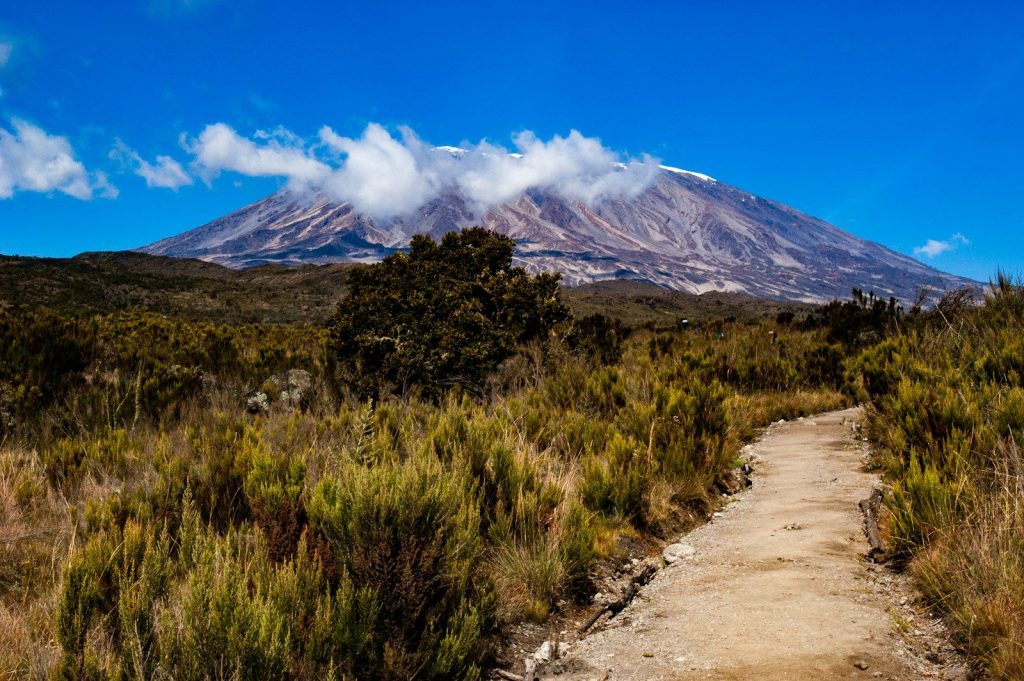
Mount Kilimanjaro is Africa’s highest mountain and one of the world’s most iconic peaks. Rising to 5,895 metres (19,341 feet) at Uhuru Peak, this dormant stratovolcano stands alone on the plains of northern Tanzania near the Kenyan border. Climbers experience five distinct climate zones in a single ascent from rainforest and heath to alpine desert and arctic summit making it one of the most accessible yet rewarding high-altitude treks on Earth.
When to climb Mountain Kilimanjaro
The best times to climb Kilimanjaro are during the two dry seasons: January to early March and late June to October. These periods offer clearer skies, more stable weather, better trail conditions, and higher summit success rates. July to September is the most popular window, while January and February provide excellent conditions with fewer crowds. April and May (the long rains) and November (the short rains) are generally best avoided due to heavy rainfall, muddy trails, and
The Kilimanjaro packing lists
Packing for Kilimanjaro requires careful layering because temperatures range from warm and humid at the base to well below freezing at the summit. Essential clothing includes moisture-wicking base layers, fleece mid-layers, a warm down or synthetic insulated jacket, waterproof outer shells (jacket and trousers), thermal gloves or mittens, a warm hat, and a balaclava or neck gaiter.
Footwear should consist of well-broken-in waterproof hiking boots with good ankle support, plus gaiters and several pairs of merino or synthetic socks. Other key items are a sleeping bag rated to at least –10°C, a daypack (30–45 litres), trekking poles, headlamp, sunglasses, high-SPF sunscreen, personal first-aid kit, and enough water-carrying capacity (3–4 litres).
Most operators provide tents, mattresses, and meals, while porters carry the main duffel bag (usually limited to 15 kg).
Montain climbing routes
Marangu Route (“Coca-Cola Route”)
The oldest and only route with hut accommodation. It is relatively gradual but has a lower success rate due to shorter duration (5–6 days) and poorer acclimatisation. Descent is via the same path.
Machame Route (“Whiskey Route”)
The most popular scenic route (6–7 days). It offers varied landscapes, good acclimatisation through a “climb high, sleep low” profile, and camping. It is steeper and more demanding than Marangu.
Lemosho Route
Widely regarded as one of the most beautiful and successful routes (7–8 days). It approaches from the west through remote wilderness, provides excellent acclimatisation, and joins the southern circuit higher up.
Rongai Route
The only northern approach (6–7 days). It is quieter, drier (especially useful in the rainy season), and offers a more gradual ascent with good views of Kenya’s Amboseli.
Northern Circuit
The longest route (8–10 days) that circumnavigates the mountain. It offers the highest success rates due to superior acclimatisation, the most varied scenery, and the fewest crowds.
Umbwe Route
The steepest and most direct route (5–6 days). It is physically demanding and best suited to experienced trekkers with good fitness and previous high-altitude experience.
Shira Route
Starts high on the Shira Plateau (often accessed by vehicle) and is usually combined with elements of Lemosho. It is scenic but involves rapid initial altitude gain.
Interesting fact about Mountain
Mount Kilimanjaro is the tallest free standing mountain in the world and the highest mountain in Africa. Unlike peaks that form part of a mountain range, Kilimanjaro rises independently from the surrounding plains, making its 5,895-metre elevation even more dramatic. Its summit, Uhuru Peak, is the highest point on the African continent.