
Lake Manyara National Park
Lake Manyara National Park
Lake Manyara National Park is a compact yet strikingly diverse national park in northern Tanzania, nestled at the base of the Great Rift Valley escarpment about 126 km west of Arusha. Covering roughly 325–330 km² (of which a large portion is the shallow alkaline lake itself), it is renowned for its tree-climbing lions, vast flocks of flamingos, high densities of baboons and elephants, and a remarkable mix of ecosystems packed into a small area.
When to come to Lake Manyara
The dry season from June to October is generally the best time for classic wildlife viewing. Vegetation thins out, animals concentrate near remaining water sources, roads are easier to navigate, and skies are mostly clear. January–February also offers good conditions during a shorter dry spell. The wet/green season (November to May) brings lush scenery, cascading waterfalls down the escarpment, excellent birdwatching (especially flamingos), and fewer crowds, though heavy rains in March–April can make some roads challenging.
Activities
- Game Drives
Game drives are the primary activity in Lake Manyara National Park. Visitors explore the compact park’s diverse habitats including groundwater forest, acacia woodlands, open plains, and lakeshore in a 4×4 vehicle. These drives typically last 3–5 hours and offer excellent chances to see elephants, giraffes, buffalo, large baboon troops, zebra, and the park’s famous tree-climbing lions. Early morning and late afternoon provide the best wildlife activity and lighting.
- Birdwatching
With over 400 recorded bird species, Lake Manyara is one of Tanzania’s top birding destinations. The alkaline lake attracts large flocks of flamingos (especially in the wetter months), pelicans, storks, and herons, while the groundwater forest supports many woodland and forest birds. Dedicated birding drives or stops during game drives reward both casual observers and serious birders.
- Hot Springs (Maji Moto)
Visitors can explore the natural geothermal hot springs in the southern part of the park via a raised boardwalk. The mineral-rich pools, with temperatures that can reach around 40–60°C, create an interesting landscape and attract birds and butterflies, offering a scenic and photographic stop.
- Cultural Visits
Just outside the park, near the main gate in Mto wa Mbu, guided cultural tours introduce visitors to local communities. These experiences often include walks through banana plantations and markets, interactions with Maasai or other ethnic groups, traditional crafts, and insights into daily life in the Rift Valley.
The park Overview
Groundwater Forest
Near the main northern entrance, visitors immediately enter a dense, evergreen groundwater forest fed by perennial springs seeping from the escarpment. Tall mahogany, fig, and tamarind trees dominate this cool, shaded zone, which supports elephants, blue monkeys, bushbuck, and a high density of baboons.
Acacia Woodlands and Floodplains
Moving eastward and southward from the forest, the landscape opens into acacia woodlands (including umbrella thorn and fever trees) interspersed with grassy floodplains and savannah. This is the primary area for game viewing of giraffes, impala, zebra, buffalo, and the park’s famous tree-climbing lions that rest in the acacia branches.
Rift Valley Escarpment and Hot Springs
The western boundary is formed by the dramatic Rift Valley escarpment, rising steeply above the park. Baobabs and dry scrub grow on the slopes, home to specialized species such as klipspringer. In the southern part of the park, geothermal activity produces hot springs (Maji Moto), adding another unique habitat.
These zones sit side by side in a relatively short drive, allowing visitors to experience forest, woodland, open plains, wetlands, and the lakeshore in a single game drive. The park also connects to surrounding areas such as the Marang Forest Reserve on the escarpment and wildlife corridors linking it to Tarangire National Park.
.
The Alkaline Lake and Shores
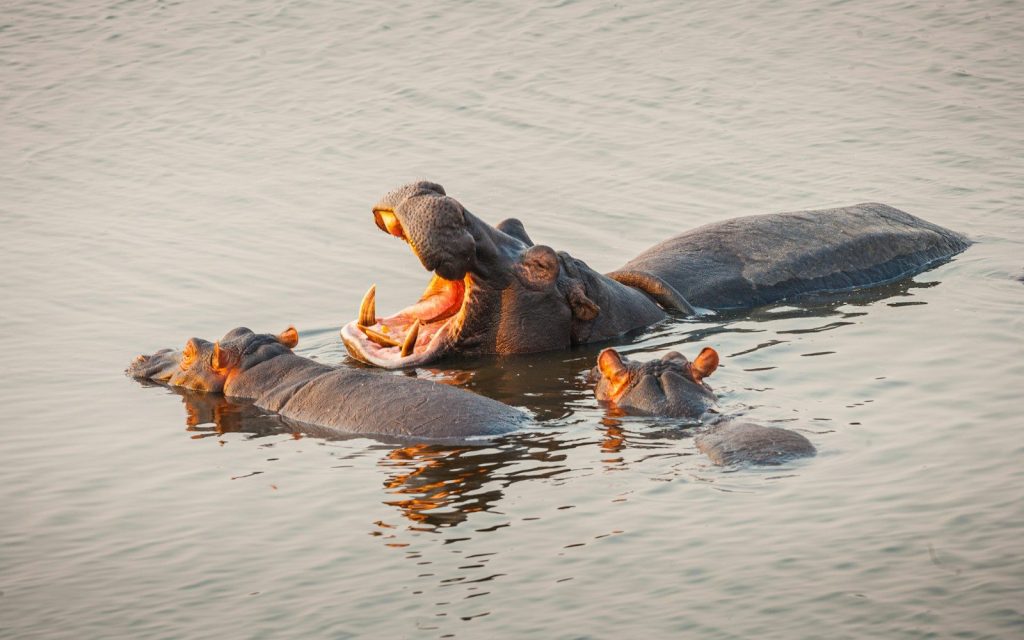
The eastern side of the park is defined by Lake Manyara itself a shallow soda (alkaline) lake that expands and shrinks with the seasons. Its shores, mudflats, and associated swamps (including areas like Silale Swamp in the south) attract large numbers of waterbirds, especially flamingos, as well as hippos and grazing herds.
Interesting fact about Lake Manyara
Lake Manyara National Park is internationally renowned for its tree-climbing lions, a rare behaviour that sets it apart from most other African parks. Unlike typical lions that rest on the ground, the lions here frequently climb into the branches of acacia and sausage trees to rest in the shade, escape biting insects, or gain a better vantage point over the surrounding landscape. Spotting a lion draped across a sturdy branch against the backdrop of the Rift Valley escarpment is one of the park’s most memorable and unique wildlife experiences.