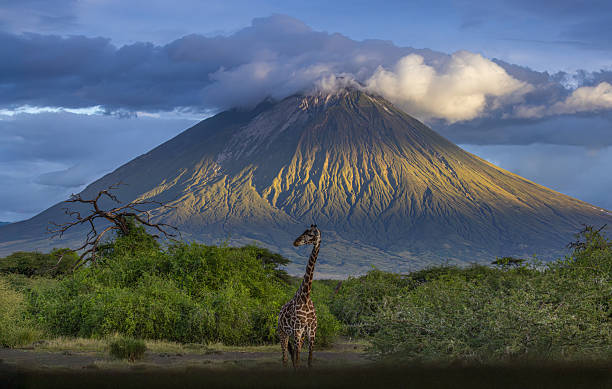
Mount Oldoinyo Lengai is one of Tanzania’s most remarkable natural landmarks, rising to approximately 2,962 metres above sea level in the Great Rift Valley, south of Lake Natron. Its name means “Mountain of God” in the Maasai language, and the mountain holds deep cultural and spiritual significance for the Maasai people. Known for its steep volcanic slopes and extraordinary geological features, Oldoinyo Lengai offers adventurous travellers a challenging night climb rewarded with spectacular sunrise views across Lake Natron and the surrounding Rift Valley.
The most favourable period for climbing Mount Oldoinyo Lengai is generally June to October, when drier conditions can provide better footing on its steep, loose volcanic slopes. January and February can also offer suitable climbing opportunities, depending on weather and local conditions. The long rainy season, usually from March to May, is generally less suitable because wet volcanic ash can become slippery and access roads may be difficult to navigate.
1. Clothing
Wear lightweight, breathable hiking clothes for the warm lower slopes, and bring a warm fleece or insulated jacket for the colder, windy summit before sunrise. Long hiking trousers help protect your legs from abrasive volcanic material, while a waterproof and windproof jacket provides protection if weather conditions change. A warm hat, lightweight gloves, and an extra layer are useful when temperatures drop at higher elevations.
2. Hiking Boots and Foot Protection
Choose sturdy hiking boots with excellent traction to help you navigate the steep, loose volcanic ash and rocky terrain. Your boots should be comfortable and well broken in before the climb. Gaiters are useful for preventing volcanic dust and small stones from entering your footwear, while extra hiking socks help keep your feet comfortable during the long ascent and descent.
4. Water and Hydration Equipment
Carry sufficient drinking water in durable reusable bottles or a hydration system, as there are no dependable water sources along the climbing route. The combination of physical exertion, dry air, and heat during the descent can lead to dehydration. Electrolyte sachets may also be useful, especially during strenuous hiking in warm conditions.
5. Backpack and Trekking Equipment
Use a comfortable, lightweight backpack with enough room for water, snacks, extra clothing, and personal essentials. Trekking poles can improve balance on loose ground, particularly during the descent, when volcanic ash and small rocks may shift beneath your feet. Pack your belongings in dust-resistant or waterproof bags to protect them from volcanic dust and unexpected weather.
6. Sun Protection
Bring high-SPF sunscreen, UV-protective sunglasses, a sun hat, and lip balm with SPF. Although the ascent takes place at night, the descent often continues after sunrise, when the exposed volcanic slopes can become extremely hot. Protecting your skin and eyes is important throughout the entire climb.
7. Food and Energy Snacks
Pack lightweight, energy-rich snacks such as nuts, dried fruit, energy bars, or biscuits to maintain your energy during the long hike. Eat a suitable meal before starting and follow your guide’s advice on food and hydration. Avoid carrying excessive food or heavy equipment that could make the steep climb more difficult.
8. Personal First-Aid Kit and Toiletries
Carry personal medication, blister plasters, basic first-aid supplies, hand sanitiser, tissues, and any essential hygiene products. Bring any medication you normally require and consult a healthcare professional beforehand if you have concerns about strenuous exercise or heat exposure. Keep waste with you and dispose of it responsibly after the climb.
9. Documents and Personal Essentials
Keep your passport or identification, travel insurance details, emergency contacts, and some cash in a secure waterproof pouch. A fully charged mobile phone and power bank are useful for communication and photography, although mobile reception may be limited in remote areas. Confirm any permits, guide arrangements, and local requirements with your tour operator before travelling.
Important safety note: Oldoinyo Lengai is an active volcano with a steep, physically demanding route. Check current volcanic and weather conditions before climbing, follow your guide’s instructions, and be prepared to turn back if conditions are unsafe.
The main climbing route starts near Engare Sero, close to Lake Natron in northern Tanzania. Climbers usually travel to the mountain’s base by vehicle before beginning the ascent at night with an experienced local guide. The trail crosses steep volcanic slopes covered in loose ash and crumbling rock, requiring good fitness, careful footing, and steady pacing. The route is generally climbed as an out-and-back journey, with the summit crater rim providing remarkable views of Lake Natron and the Great Rift Valley.
Day 1: Arrival at Lake Natron
Arrive in the Lake Natron area, settle into your accommodation, and meet your local guide for a briefing about the climb. Use the day to rest, prepare your equipment, check the weather and volcanic conditions, and get enough sleep before the overnight ascent.
Begin the climb around midnight, following your guide up the steep volcanic slopes. The ascent may take several hours, depending on fitness, terrain, and conditions. If conditions permit, reach the summit rim around sunrise to enjoy views of Lake Natron and the surrounding landscape before descending carefully to the base.
Note: The itinerary and climbing duration vary according to conditions and the operator’s arrangements. A summit attempt is never guaranteed because Oldoinyo Lengai is an active volcano.
Mount Oldoinyo Lengai is famous for its unusual geology, cultural significance, and dramatic landscape. Standing approximately 2,962 metres above sea level, it is the only known active volcano that erupts natrocarbonatite lava, a rare type of lava that differs chemically from the more familiar silicate lava. Its name, “Mountain of God,” reflects its sacred importance to the Maasai community. From the summit area, climbers can enjoy views across Lake Natron and the Great Rift Valley, while the surrounding region offers opportunities to explore flamingo habitats, waterfalls, and Maasai culture.