
NGORONGORO CONSERVATION AREA
Ngorongoro Conservation Area is The Ngorongoro Conservation Area is one of Tanzania’s most iconic destinations and a UNESCO World Heritage Site. Located in the northern highlands, it is centred on the Ngorongoro Crater the world’s largest intact volcanic caldera. This vast natural amphitheatre supports an extraordinary density of wildlife, including the Big Five, while also allowing traditional Maasai pastoralists to live and graze livestock alongside the animals. The combination of dramatic scenery, abundant wildlife, and rich cultural and archaeological heritage makes Ngorongoro a highlight of any northern Tanzania safari.
When to come to Ngorongoro
Ngorongoro offers excellent wildlife viewing year-round because most animals are resident inside the crater. The dry season (June to October) is generally considered the best time, as shorter grass makes animals easier to spot and roads are more reliable. January and February are also excellent, with good weather and strong predator activity. The wetter months (March–May) bring lush green landscapes and fewer visitors, though some tracks can become muddy.
Activities
- Game Drives in the Ngorongoro Crater: The main activity. Visitors descend into the crater for a half- or full-day drive to see dense concentrations of wildlife, including lions, elephants, buffalo, black rhinos, and hippos.
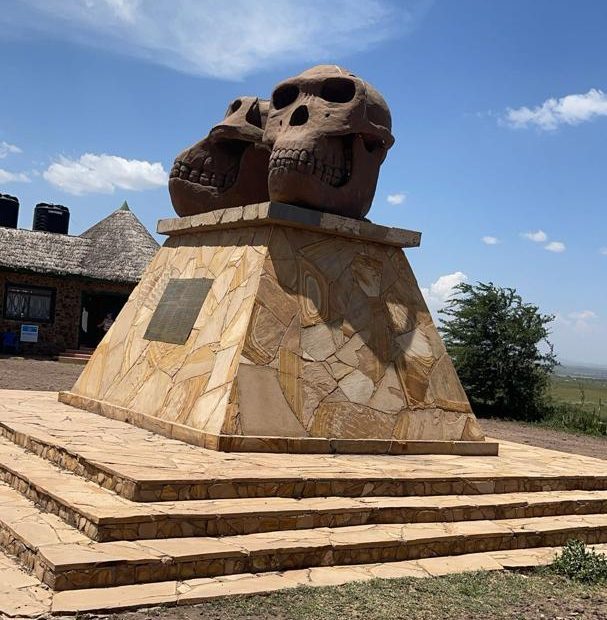
- Visit to Olduvai Gorge: Explore one of the world’s most important archaeological sites, often called the “Cradle of Mankind,” where fossils and tools of early human ancestors were discovered.
- Hiking Empakaai or Olmoti Craters: Guided walks to neighbouring smaller craters offer scenic views, flamingo-filled lakes (at Empakaai), and a quieter, more intimate experience.
- Walking Safaris on the Crater Rim or Highlands: Guided walks along the forested rim or in the highlands provide opportunities to enjoy the landscape on foot and learn about local flora and fauna.
- Maasai Cultural Visits: Meet local Maasai communities living within the Conservation Area to learn about their traditional lifestyle, livestock herding, and customs.
The park Overview
The Crater
The centrepiece of the Conservation Area. This enormous unbroken caldera (about 19 km wide and 600 m deep) is home to roughly 25,000 large animals and offers one of the best chances in Africa to see the Big Five in a single day.
Olduvai Gorge
A deep ravine of global archaeological importance where fossils of early hominins, including Homo habilis, and ancient stone tools have been found. A small museum and viewing points explain the discoveries.
Empakaai Crater
A beautiful, less-visited caldera with a deep soda lake often filled with flamingos. Visitors can hike down to the lake shore for dramatic views.
Olmoti Crater
A quieter volcanic crater featuring open grasslands, waterfalls, and panoramic highland scenery, ideal for short guided walks.
Lake Magadi
A shallow soda lake on the floor of Ngorongoro Crater that attracts flamingos, hippos, and a variety of waterbirds.
Interesting Fact about Ngorongoro
Ngorongoro Crater is the world’s largest intact and unfilled volcanic caldera. Formed about two to three million years ago when a massive volcano collapsed, the crater walls remain unbroken and rise up to 600 metres above the floor. This natural enclosure creates a self-contained ecosystem that supports one of the highest densities of large mammals in Africa, including a significant population of endangered black rhinos.
Frequently Asked questions
No. It is the Ngorongoro Conservation Area, a multiple land-use area where wildlife conservation coexists with traditional Maasai pastoralism. It is managed separately from Tanzania’s national parks.
Fees for non-resident adults are typically around US$70–83 per person per 24 hours (varying slightly by season and official updates), with lower rates for children (usually ages 5–15) and free entry for children under 5. Concession fees may apply for stays inside the park. Always check current rates, as they can change, and many safari packages include them.
Yes, most nationalities require a visa. It can often be obtained via the official eVisa system online or on arrival at major entry points. Your passport should be valid for at least six months with blank pages. Confirm the latest requirements for your nationality before travel.
Most visitors spend one full day exploring the crater (usually a half- or full-day game drive). Staying overnight on the crater rim allows for an early descent and the chance to visit Olduvai Gorge or other nearby attractions.