
NYERERE NATIONAL PARK
Discover the untamed beauty of Nyerere National Park, one of Africa’s largest protected wilderness areas and a remarkable destination for authentic safari adventures. Known for its vast landscapes, winding rivers, diverse wildlife, and peaceful surroundings, the park offers an exceptional opportunity to experience Tanzania’s natural beauty. From thrilling game drives and scenic boat safaris along the Rufiji River to encounters with elephants, lions, hippos, and African wild dogs, Nyerere promises unforgettable experiences for nature lovers and safari enthusiasts.
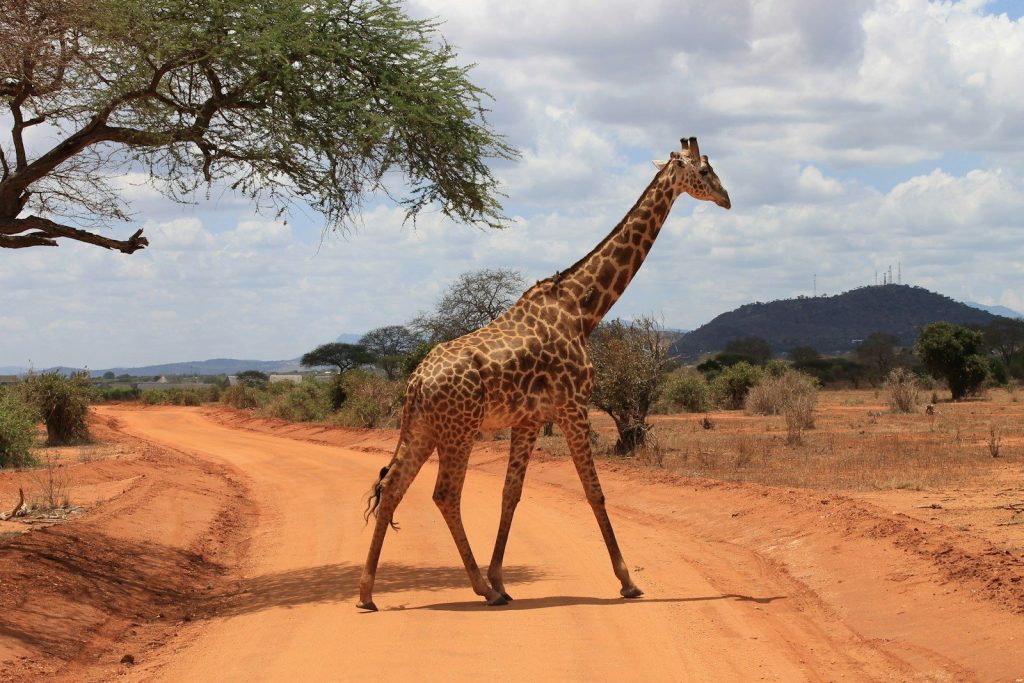
When to come to Nyerere National Park
Dry Season (June to October)
The dry season is generally the best time to visit Nyerere National Park for wildlife viewing. As vegetation becomes thinner and water sources become more limited, animals tend to gather around rivers and remaining waterholes, making them easier to spot. Visitors can enjoy rewarding game drives and boat safaris while searching for elephants, lions, giraffes, buffaloes, hippos, crocodiles, and other wildlife. The relatively dry weather also makes this period popular for exploring the park.
Green Season (November to May)
During the green season, Nyerere transforms into a lush wilderness filled with fresh vegetation, seasonal flowers, and beautiful scenery. This period is particularly rewarding for birdwatching and landscape photography, as migratory birds join the park’s resident species. Some areas may become difficult to access because of heavy rainfall, and thicker vegetation can make certain animals harder to spot. However, the quieter atmosphere and vibrant landscapes offer a different perspective on Tanzania’s wildlife.
Our recommendation: Visit between June and October for easier wildlife viewing and excellent opportunities for game drives and boat safaris. Choose the green season if you prefer lush scenery, birdwatching, and a quieter safari experience, while checking seasonal access with your operator.
Activities
- Game drives: The core activity. Early-morning and late-afternoon drives in open 4×4 vehicles allow close viewing of lions, leopards, cheetahs, elephants, and migrating herds across plains, river valleys, and kopjes (rocky outcrops). Central Seronera is especially reliable for big cats year-round.
- Hot air balloon safaris: Sunrise flights offer a silent, elevated perspective over the endless plains, revealing the scale of herds and landscapes, typically followed by a bush breakfast.
- Witnessing the Great Migration: Timing a visit to coincide with calving (south) or river crossings (north/west) provides one of nature’s greatest spectacles, including dramatic interactions with crocodiles and predators.
- Walking safaris: Guided short or longer walks with armed rangers allow a closer, sensory experience of tracks, plants, smaller creatures, and the bush environment away from vehicles (available in designated areas).
- Cultural visits and birdwatching: Short excursions to nearby Maasai communities offer insight into local traditions, while the park’s diverse habitats support excellent birdwatching, especially in the greener months.
The park Overview
Location
Located in southern Tanzania, Nyerere National Park is one of Africa’s largest national parks, covering approximately 30,893 square kilometres. Established in 2019 from the northern part of the former Selous Game Reserve, the park protects an extensive wilderness of rivers, woodlands, grasslands, wetlands, and diverse wildlife habitats.
Best Unique feature
The park’s most distinctive feature is the Rufiji River system, which supports a remarkable variety of aquatic and terrestrial wildlife. Its waterways are home to hippos and crocodiles, while the surrounding landscapes provide habitats for elephants, lions, giraffes, buffaloes, zebras, and numerous antelope species. Nyerere is also an important refuge for endangered African wild dogs, making it particularly attractive to wildlife enthusiasts.
What you expect to see
Beyond traditional game drives, Nyerere offers the opportunity to explore its landscapes by boat, observe birds along the riverbanks, and experience the tranquillity of a less-crowded wilderness. The combination of land and water-based safari activities gives the park a distinctive character compared with many other destinations in Tanzania.
Whether you are seeking a private wildlife adventure, a romantic safari, a photography expedition, or an immersive journey into the African bush, Nyerere National Park offers a remarkable blend of adventure, scenery, and wildlife encounters in southern Tanzania.
Interesting fact about Nyerere National Park
Nyerere National Park is one of Africa’s largest national parks, covering approximately 30,893 square kilometres of protected wilderness in southern Tanzania. It was established in 2019 and named in honour of Julius Nyerere, Tanzania’s founding president. The park is part of the wider Selous ecosystem and is famous for the Rufiji River system, where visitors can enjoy boat safaris and observe hippos, crocodiles, and waterbirds. Its diverse habitats support elephants, lions, giraffes, buffaloes, and endangered African wild dogs, making it an important destination for wildlife conservation. Unlike many traditional safari parks, Nyerere offers both land-based game drives and water-based wildlife experiences, giving visitors a unique opportunity to explore Tanzania’s wilderness from different perspectives.
Frequently Asked questions
Visitors may encounter elephants, lions, leopards, African wild dogs, giraffes, buffaloes, zebras, wildebeest, hippos, crocodiles, and numerous antelope species. Wildlife sightings depend on seasonal conditions and animal movements.
Popular activities include guided game drives, boat safaris on the Rufiji River, authorized walking safaris, birdwatching, and wildlife photography. Some lodges also arrange bush meals and sundowner experiences.
Yes, most nationalities require a visa. It can often be obtained via the official eVisa system online or on arrival at major entry points. Your passport should be valid for at least six months with blank pages. Confirm the latest requirements for your nationality before travel.
A two- to three-day safari is a good introduction to the park. Three to four days or longer allows more time for game drives, boat safaris, birdwatching, and relaxing at your lodge.