
Zanzibar
Zanzibar is a semi-autonomous archipelago off the coast of Tanzania in the Indian Ocean, famous for its powder-white beaches, turquoise waters, and rich cultural heritage. The main island, Unguja (commonly called Zanzibar), blends African, Arab, Indian, and European influences. From the UNESCO-listed Stone Town to spice plantations, coral reefs, and relaxed beach resorts, it offers the perfect mix of history, culture, and tropical island escape, often combined with a mainland Tanzania safari.
When to come to Zanzibar
The best time to visit Zanzibar is during the dry seasons: June to October and December to February. These months offer sunny weather, lower humidity, calm seas, and excellent conditions for beach time, snorkeling, and diving. June to October is particularly popular as it coincides with the peak safari season on the mainland. April and May bring the long rains and are generally best avoided for outdoor activities, while November sees the short rains.
Activities
- Explore Stone Town: Wander the narrow alleys of this UNESCO World Heritage Site, admire carved wooden doors, visit the Old Fort, House of Wonders, and the former slave market site.
- Spice Farm Tour: Discover why Zanzibar is called the “Spice Island” with a guided visit to plantations growing cloves, cinnamon, nutmeg, vanilla, and other spices, often including tastings.
- Snorkeling and Diving: Explore vibrant coral reefs, especially at Mnemba Atoll, known for clear waters, colourful fish, turtles, and occasional dolphins.
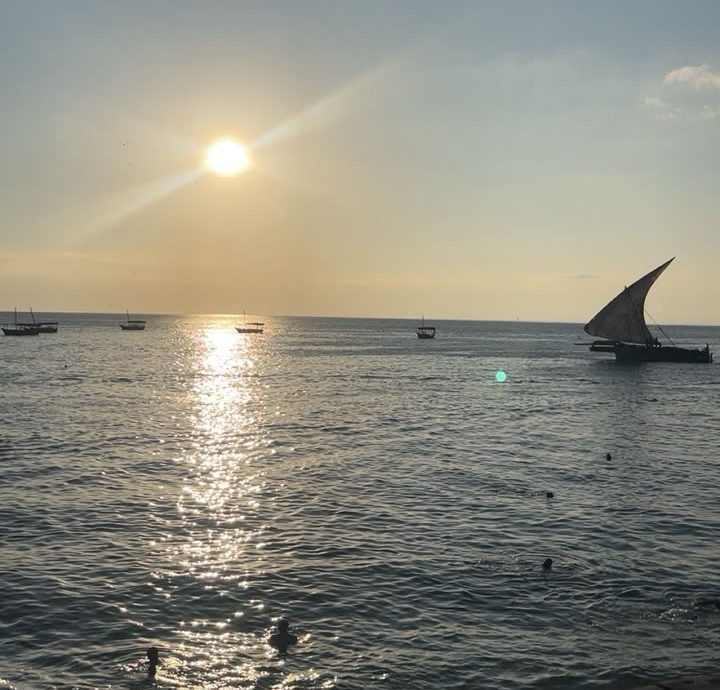
- Safari Blue or Dhow Cruises: Sail on traditional wooden dhows for full-day trips involving snorkeling, sandbank stops, seafood lunches, or romantic sunset cruises.
- Visit Jozani Forest: Walk through the forest to see the endemic red colobus monkeys and other wildlife in one of Zanzibar’s last remaining natural forests.
- Prison Island (Changuu Island): Take a short boat trip to meet giant Aldabra tortoises, some over 100 years old, and explore the island’s history.
- Beach Relaxation and Water Sports: Enjoy the white-sand beaches of Nungwi, Kendwa, Paje, or Jambiani, with options for kitesurfing, swimming, or simply relaxing.
The Island Overview
Stone Town
The historic heart of Zanzibar City and a UNESCO World Heritage Site. Its labyrinth of coral-stone buildings, bazaars, mosques, and palaces reflects centuries of Swahili, Arab, Persian, Indian, and European influence.
Nungwi and Kendwa Beaches
Located on the northern tip, these offer some of the island’s best swimming beaches with calm, clear water at most tides, lively atmosphere, and beautiful sunsets.
Mnemba Atoll
A protected marine reserve off the northeast coast, widely regarded as one of the best snorkeling and diving sites in East Africa, with excellent coral and marine life.
Jozani-Chwaka Bay National Park
Home to the rare and endemic Zanzibar red colobus monkey, as well as mangrove forests and nature trails.
Prison Island (Changuu)
A short boat ride from Stone Town, known for its population of giant tortoises and colonial-era ruins.
Spice Plantations:
Inland farms where visitors can learn about and taste the spices that historically made Zanzibar wealthy and famous.
Paje and Jambiani
Popular east-coast villages known for long beaches, kitesurfing, and a more laid-back, local atmosphere.
Interesting Fact about Zanzibar
Zanzibar is famously known as the “Spice Island” because of its long history as a major producer and trading centre for cloves, cinnamon, nutmeg, black pepper, and other spices. In the 19th century it was one of the world’s leading clove producers, and the spice trade helped shape its rich cultural mix and architectural heritage that can still be experienced today.
Frequently Asked questions
Yes. Zanzibar is a semi-autonomous region of the United Republic of Tanzania. It has its own government for internal affairs, but a Tanzanian visa or e-visa covers entry to both the mainland and Zanzibar.
Most visitors spend 3–7 nights. Three to four nights allow time for Stone Town, a spice tour, and beach relaxation. A week or more is ideal if you want to explore different beaches, do multiple water activities, and take day trips.
Most nationalities need a Tanzanian visa, which can be obtained online as an e-visa or on arrival. The same visa covers both mainland Tanzania and Zanzibar.
The official currency is the Tanzanian Shilling (TZS), but US dollars are widely accepted in tourist areas, hotels, and for tours. Credit cards are accepted in larger establishments, though cash is useful for smaller purchases and markets.