
MIKUMI NATIONAL PARK
Discover the natural beauty of Mikumi National Park , one of Tanzania’s most accessible wildlife destinations. Famous for its open savannah plains, abundant wildlife, and scenic mountain backdrops, Mikumi offers an exciting African safari experience for travellers seeking to explore Tanzania’s remarkable natural heritage. From spotting elephants and lions to watching giraffes and zebras roaming freely across the plains, Mikumi is an ideal destination for wildlife lovers, photographers, and unforgettable safari adventures.
When to come to Mikumi National Park
Dry Season (June to October)
The dry season is generally the best time to visit Mikumi National Park for wildlife viewing. With less vegetation and limited water sources, animals are often easier to spot as they gather around rivers and waterholes. Visitors have excellent opportunities to see elephants, lions, giraffes, buffaloes, zebras, and other wildlife across the open plains. The dry weather also makes game drives comfortable and convenient.
Green Season (November to May)
During the green season, Mikumi’s landscape becomes lush and vibrant, creating beautiful scenery for photography and nature exploration. This period is particularly rewarding for birdwatching, as migratory birds join the park’s resident species. Although thicker vegetation can make some animals harder to spot, the park offers a refreshing atmosphere, dramatic skies, and excellent opportunities to appreciate Tanzania’s diverse ecosystems.
Activities
- Game Drives
Game drives are the main attraction in Mikumi National Park. Accompanied by an experienced safari guide, explore the park’s open grasslands and woodland habitats in search of elephants, lions, giraffes, zebras, buffaloes, wildebeest, and other wildlife. Early morning and late afternoon drives offer wonderful opportunities to observe animal behaviour and capture memorable photographs.
- Wildlife Viewing
Mikumi is home to a rich variety of African wildlife, making it an excellent destination for nature enthusiasts. Visitors can observe elephants moving across the plains, giraffes feeding on acacia trees, zebras grazing in open grasslands, and predators such as lions resting or hunting. Every game drive brings the possibility of a new and exciting wildlife encounter.
- Birdwatching
Mikumi offers rewarding birdwatching experiences, with a wide variety of resident and migratory bird species. Explore the grasslands, woodland areas, and seasonal wetlands to spot hornbills, bee-eaters, kingfishers, eagles, and other fascinating birds. The green season is particularly attractive for bird enthusiasts because of the arrival of migratory species and the abundance of fresh vegetation.
- Explore the Mkata Floodplain
The Mkata Floodplain is one of Mikumi’s best-known wildlife-viewing areas. Its open grasslands provide excellent visibility for spotting grazing herbivores and searching for predators. Surrounded by scenic hills and distant mountains, this landscape offers beautiful views and some of the park’s most rewarding opportunities for wildlife photography.
The park Overview
Location
Located in the Morogoro Region of southern Tanzania, Mikumi National Park is one of the country’s most accessible safari destinations. Covering approximately 3,230 square kilometres, the park forms part of the larger Selous–Nyerere ecosystem and is known for its diverse wildlife, scenic landscapes, and excellent game-viewing opportunities.
One of Mikumi’s greatest advantages is its accessibility from Dar es Salaam, making it a popular choice for short safaris, weekend getaways, and multi-day Tanzania safari itineraries. Whether you are planning a one-day wildlife excursion or a longer adventure through southern Tanzania, Mikumi offers a wonderful introduction to the country’s natural beauty.
Uniqueness of the park
The park’s most distinctive feature is the Mkata Floodplain, an expansive grassland area that supports a variety of wildlife. The surrounding landscape includes woodland, seasonal wetlands, and rolling hills, with the Uluguru Mountains visible in the distance on clear days.
Wildlife
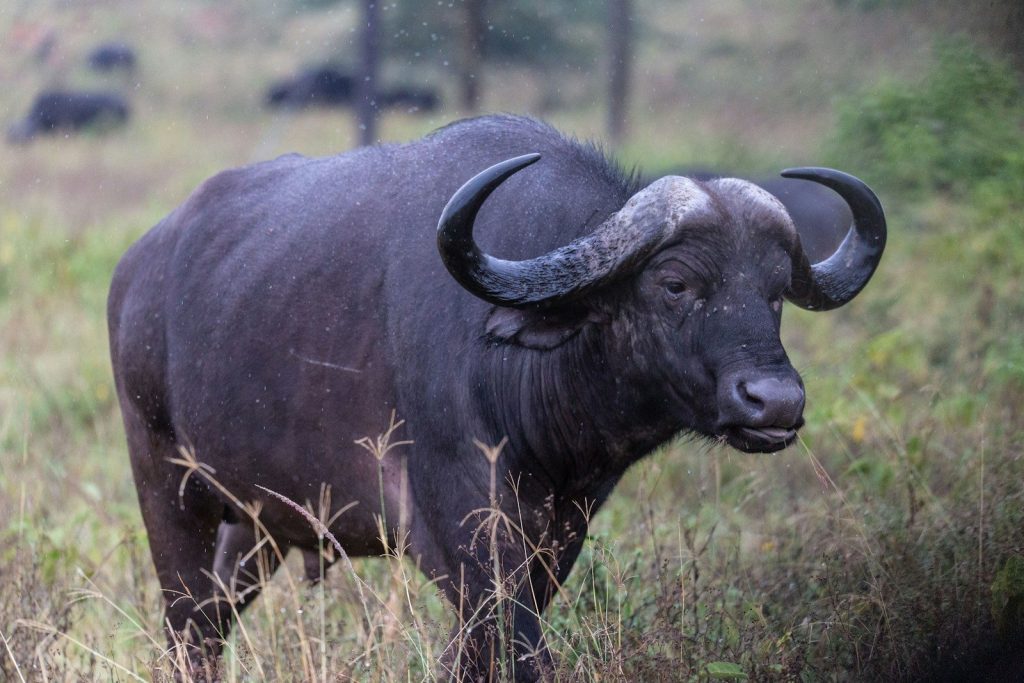
Mikumi is home to elephants, lions, giraffes, zebras, buffaloes, wildebeest, impalas, elands, and numerous bird species. Visitors may also encounter hippos and crocodiles around suitable water habitats. The diversity of wildlife and the relatively open terrain make Mikumi a rewarding destination for both first-time safari travellers and experienced wildlife enthusiasts.
Interesting fact about Mikumi national Park
Mikumi National Park is full of fascinating natural wonders that make it a remarkable safari destination in Tanzania. The park is famous for the Mkata Floodplain, where elephants, giraffes, zebras, buffaloes, and other wildlife can often be spotted across the open grasslands. It forms part of the wider Selous–Nyerere ecosystem, supporting important wildlife habitats and ecological connections. Mikumi’s scenic landscape features rolling hills and distant mountain ranges, creating beautiful backdrops for wildlife photography. Its accessibility from Dar es Salaam also makes it a popular choice for short safaris, weekend getaways, and travellers seeking an unforgettable African wildlife experience without a lengthy journey.
Frequently Asked questions
Visitors may see elephants, lions, giraffes, zebras, buffaloes, wildebeest, impalas, elands, hippos, crocodiles, and a wide variety of bird species. Sightings depend on the season and wildlife movements.
Yes, most nationalities require a visa. It can often be obtained via the official eVisa system online or on arrival at major entry points. Your passport should be valid for at least six months with blank pages. Confirm the latest requirements for your nationality before travel.
Mikumi can be reached by road from Dar es Salaam, commonly via Morogoro. You can travel in a private vehicle or arrange transport with a safari operator. Travel time depends on traffic, road conditions, and your starting point.
A one day safari can provide an introduction to Mikumi, while a two- or three-day trip allows more time for game drives, relaxing at your accommodation, and exploring different parts of the park.